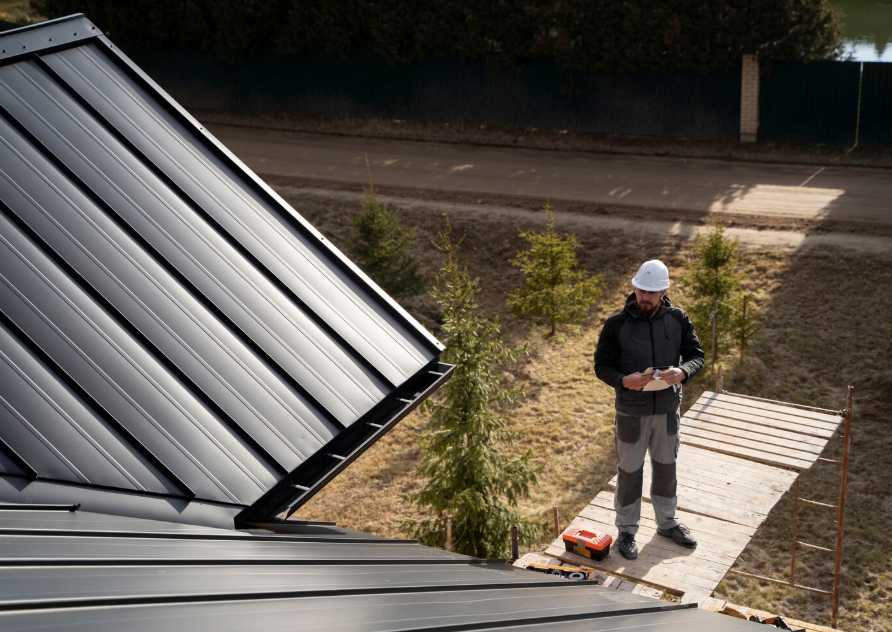
A strong and dependable roof is one of the most important investments a property owner can make. Whether it is a warehouse, office building, retail center, or industrial facility, a well-maintained roofing system protects the structure, equipment, employees, and daily operations. Choosing an experienced roofing professional can make a significant difference in the long-term performance of a commercial property. Done Rite Roofing represents the importance of quality workmanship, dependable service, and roofing solutions designed to meet the needs of different buildings. From identifying roof damage to planning complete replacements, professional roofing services help property owners maintain safe and functional spaces.
Why Commercial Roofing Matters
Commercial buildings often have larger and more complex roofing systems than residential properties. Their roofs must withstand changing weather conditions, temperature fluctuations, sunlight exposure, and regular environmental stress. A damaged roof can create problems that extend beyond the roofing surface, including water leaks, insulation damage, mold growth, and interior deterioration.
A properly installed roofing system helps prevent these issues while supporting the overall efficiency of a building. Property owners who invest in professional roofing services can reduce unexpected repair costs and avoid unnecessary interruptions to business activities.
Regular inspections also help identify minor problems before they develop into expensive structural concerns. This proactive approach allows building managers to make informed decisions about maintenance, repairs, and future roofing investments.
Understanding Different Commercial Roofing Systems
Commercial properties require roofing materials that match their building structure, budget, and operational requirements. Different roofing systems offer unique benefits, making it important to understand the available options before selecting a solution.
Flat roofing is commonly used on warehouses, office buildings, and retail facilities. These systems provide practical surface coverage and can accommodate certain mechanical installations when properly designed.
Single-ply roofing systems, including TPO and PVC, are popular because they offer flexibility and weather resistance. Their reflective surfaces can also help reduce heat absorption in suitable applications.
Metal roofing is another option for commercial buildings. It is valued for its durability, strength, and ability to withstand various environmental conditions. With appropriate installation and maintenance, metal roofing can provide long-lasting protection.
Built-up roofing systems use multiple layers to create a protective barrier. They are particularly useful for certain low-slope commercial applications where additional surface protection is required.
Selecting the right material depends on several factors, including roof design, drainage requirements, energy goals, and expected maintenance needs.
The Importance of Professional Roof Inspections
Roof inspections play an essential role in protecting commercial properties. Even when a roof appears to be in good condition from the ground, hidden problems may exist beneath the surface.
Professional inspections generally examine roofing materials, flashing, drainage systems, seams, and areas around rooftop equipment. These components can become vulnerable over time due to weather exposure, aging materials, or improper installation.
One common concern is water accumulation. Poor drainage can allow standing water to remain on a roof, increasing the possibility of leaks and material deterioration. Inspectors can identify drainage problems and recommend suitable improvements.
Another important area is flashing. Flashing protects vulnerable points around vents, skylights, walls, and other roof openings. When it becomes loose or damaged, moisture can enter the building.
Scheduling inspections regularly helps property owners understand the condition of their roofing systems and plan maintenance before serious damage occurs.
Common Commercial Roofing Problems
Commercial roofs experience several types of damage throughout their service life. Understanding these problems can help property owners recognize warning signs and arrange repairs when necessary.
Roof leaks are among the most common issues. They may develop because of damaged membranes, deteriorating flashing, punctures, or weakened seams. Even a small leak can affect ceilings, electrical equipment, inventory, and interior finishes.
Cracks and surface deterioration can also reduce the protective ability of roofing materials. Continuous exposure to sunlight and changing temperatures may cause certain materials to expand, contract, or become brittle.
Drainage problems are another concern, particularly for flat and low-slope roofs. Blocked drains and poorly maintained gutters can prevent water from flowing away efficiently.
Loose roofing materials may occur because of installation problems, strong winds, or natural aging. Prompt attention helps prevent further deterioration and protects the building from additional exposure.
Benefits of Timely Roofing Maintenance
Preventive maintenance is an effective way to extend the useful life of a commercial roofing system. Instead of waiting for visible damage, property owners can follow a maintenance schedule that addresses potential problems early.
Regular cleaning is an important part of this process. Removing leaves, dirt, and debris helps maintain proper drainage and prevents unnecessary pressure on roofing materials.
Checking seals and roof penetrations can also reduce the likelihood of water entering the building. These areas deserve special attention because they are often more vulnerable than the main roofing surface.
Maintenance records provide another advantage. Keeping track of inspections, repairs, and material conditions allows property managers to understand how their roofs are performing over time.
A consistent maintenance strategy can also make budgeting easier. Planned repairs are generally more manageable than unexpected roofing emergencies that require immediate attention.
Choosing the Right Commercial Roofing Contractor
Selecting a roofing contractor requires careful consideration. Property owners should look for professionals who understand commercial roofing systems and have experience working with different building types.
Insurance, licensing requirements, workmanship standards, and relevant project experience are important factors to review. Contractors should also explain their recommendations clearly and provide written estimates outlining the proposed work.
Communication is equally important. A reliable roofing professional should discuss project timelines, material options, safety procedures, and potential disruptions before beginning work.
Property owners should also ask about workmanship warranties and manufacturer warranties. Understanding what each warranty covers can help prevent confusion after installation or repairs are completed.
Comparing multiple estimates can provide a clearer understanding of project costs and available solutions. However, the lowest price should not automatically determine the final decision. Quality materials and proper installation often provide better long-term value.
Improving Energy Efficiency Through Better Roofing
A commercial roofing system can influence the energy performance of an entire building. Roofs receive substantial sunlight, particularly during warmer months, and certain materials can absorb considerable heat.
Reflective roofing materials may help reduce surface temperatures by reflecting more sunlight. This can lower cooling demands under suitable building conditions.
Insulation is another important consideration. Proper insulation helps maintain indoor temperatures and reduces the amount of energy required for heating and cooling.
Ventilation and moisture management also contribute to overall roof performance. A properly designed system supports building comfort while protecting roofing components from unnecessary deterioration.
Property owners considering a roof replacement can explore energy-efficient materials and installation methods that align with their long-term operational goals.
Conclusion
A dependable commercial roof protects valuable property, supports daily business operations, and contributes to long-term building performance. Regular inspections, preventive maintenance, suitable materials, and professional installation all play important roles in achieving these benefits. Property owners should address roofing concerns early and choose contractors who understand their specific building requirements. Whether planning repairs, maintenance, or a complete replacement, investing in quality commercial roofing anaheim ca services can help businesses maintain durable, efficient, and well-protected properties for years to come.