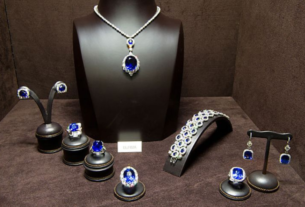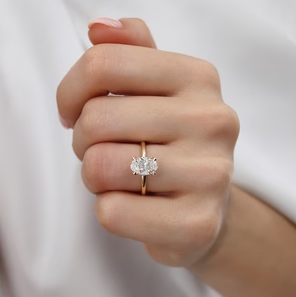
Choosing pieces that successfully blend form and meaning can elevate any collection, whether it involves jewelry, décor, fashion or fine art. The process requires more than simply responding to an object’s visual appeal. It also involves understanding the story, symbolism and purpose behind each item. In the world of design and craftsmanship, brands like lily arkwright demonstrate how thoughtfully created pieces can connect aesthetics with deeper intention. By developing an eye for both elements, you can curate items that feel personal, expressive and timeless.
When selecting pieces that harmonize beauty with purpose, begin by identifying what resonates with your own values or lifestyle. Form often speaks first, but meaning ensures the lasting connection. Consider why a piece grabs your attention. Is it the shape, the color or the craftsmanship? Once you understand the visual attraction, explore what that object represents. Functional items might express innovation or practicality. Artistic pieces may symbolize themes like growth, elegance or resilience. When form and meaning align naturally with your personal identity, the item becomes more than a purchase; it becomes a reflection of who you are.
Another important step is to look at materials and construction. A well-made piece often carries meaning in the skill and time invested into it. Quality does not only add durability; it also reinforces the intention behind the design. Natural materials can evoke a sense of grounding, while refined metals or gemstones may convey sophistication or celebration. Consider how the materials contribute to the story of the piece. When the choice of material enhances its symbolic purpose, the result feels cohesive and thoughtful.
Context also plays a key role in blending form and meaning. Ask yourself where and how the piece will be used or displayed. An item may appear stunning on its own but might lose significance when placed in the wrong setting. Think about how it interacts with the surrounding environment. A meaningful piece should complement rather than conflict with the space or overall style. Context deepens meaning by allowing the piece to serve a purpose, whether it inspires, comforts or expresses personal style.
Emotional response can be a powerful indicator as well. Items that blend form and meaning often create a sense of connection even before you consciously understand why. If something evokes a memory, feeling or aspiration, that emotional reaction can signal that the piece carries inherent meaning. Trusting this instinct, combined with a thoughtful evaluation of design, helps you choose pieces that will maintain long-term relevance.
It is also helpful to consider the creator’s intention. You do not need direct statements or commentary, but understanding the design philosophy behind a piece can add clarity. Many artisans and designers draw inspiration from nature, culture or personal experience. When their vision aligns with your own sense of purpose, the resulting connection enhances the experience of owning the piece.
Finally, balance is essential. Form without meaning may feel empty, while meaning without appealing form may not inspire daily enjoyment. The best selections achieve both, offering beauty with significance. By observing shape, material, context and emotional response, you can confidently curate pieces that enrich your environment and reflect your values. As you continue refining your eye, you will find that pieces with both form and meaning not only enhance your style but also bring lasting satisfaction and personal resonance.