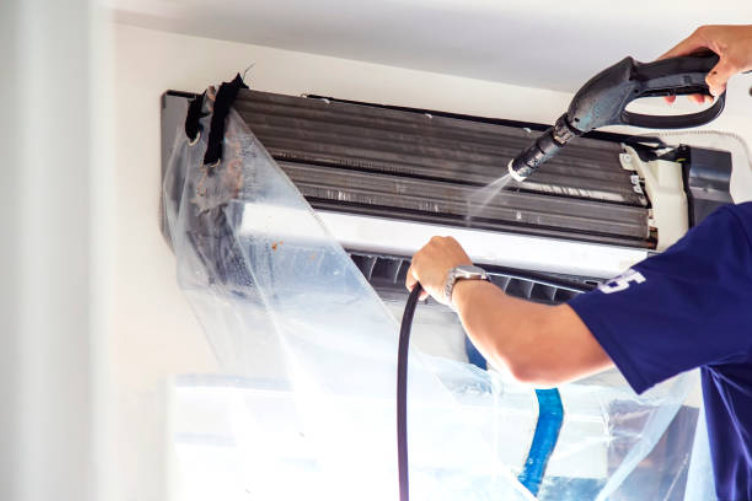
Living here in Lebanon, you know the heat gets pretty nasty. When your AC starts making that death-rattle sound in the middle of July, you’re stuck. Do you pay for another patch job or just get a new unit? It’s a huge headache. Most folks just start typing “AC repair near me“ into their phones while they’re sweating through their shirts. It’s stressful. I get it. Before you drop a ton of cash or waste money on a band-aid fix, let’s talk about whether your unit is actually worth saving or if it’s time to move on.
The Real Deal on Repair Costs
Look, I’ve seen people sink thousands into old units that should’ve been scrapped years ago. If you’re calling for AC repair near me every time the wind blows, you’re losing money. It’s just simple math.
- The 50% Rule: If the repair costs half as much as a new unit, just replace it. Don’t waste your time.
- The “Monthly Guest” Problem: If your repair guy is basically part of the family because he’s there so often, your system is toast.
- Old Tech: Finding parts for 15-year-old units is a nightmare. You’ll pay a premium just to keep a dinosaur running.
When You Should Just Stick With a Repair
It isn’t always about buying new. If your AC is fairly young, say, under 10 years, and you’ve kept up with the filters, a repair is usually fine. Sometimes it’s just a bad capacitor or a dirty coil. That’s cheap to fix and gets you back in business fast.
- Warranty Status: Check if your parts are still covered. That makes a repair a no-brainer.
- Minor Glitches: If it’s just a sensor or a wire, don’t overthink it.
- Your Future Plans: If you’re moving out in six months, don’t put in a whole new system. Just fix it and get out.
Telling When It’s Time to Give Up
Your AC usually gives you hints before it dies. If you ignore them, you’re just asking for a miserable, hot weekend. You know your house better than anyone. If it feels “off,” it probably is. Pay attention to these little red flags.
- Your Bill: If your electric bill suddenly looks like a mortgage payment, your AC is dying.
- The Sounds: If it sounds like a box of rocks in a blender, that’s not good.
- Uneven Cooling: If the bedroom is an icebox but the living room is a sauna, the system is losing its grip.
Why New Units Aren’t Actually That Bad
I know, I know—nobody wants to spend money on a new HVAC system. But modern units are miles ahead of what you probably have now. They’re quieter, they use less power, and they actually move air the way they’re supposed to.
- Efficiency: You’ll notice the difference on your power bill almost immediately.
- Humidity Control: Tennessee is humid. Newer units handle that moisture way better.
- Smart Tech: Being able to adjust your temp from your phone while you’re at work is honestly a game changer.
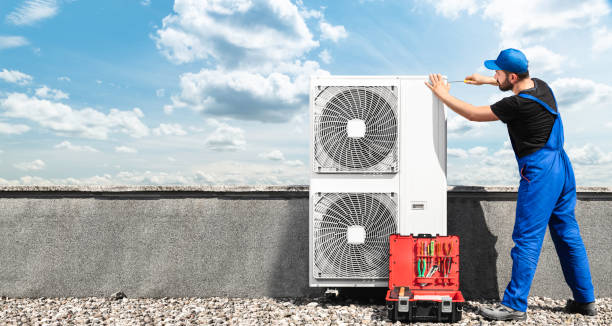
Doing the Math
Think about the long game. Yeah, the initial price tag hurts. But if you finance it or just look at the energy savings over five years, it’s not as bad as it seems. Plus, there’s the peace of mind. Not worrying if your house will be 90 degrees when you get home is worth a lot.
- Resale: If you sell your home, a new HVAC system is a huge selling point.
- Reliability: No more panic calls in the middle of a heatwave.
- Warranty: You get a clean slate with a manufacturer’s warranty.
Don’t Wait for the Breakdown
Don’t wait until it’s 98 degrees outside to figure out your plan. That’s when you end up with the most expensive repair bill because you’re desperate. Get someone to check it out while the weather is still decent. You’ll make a much smarter choice when you aren’t sweating.
- Be Proactive: It’s way cheaper to fix a small issue in March than a total system failure in August.
- Budgeting: You can shop around for the best deal instead of taking the first price you see.
- Avoid Emergencies: Emergency fees are no fun for anyone.
Conclusion
At the end of the day, it’s your call. But don’t just throw money away on a dying machine. If you need an honest take on whether it’s worth fixing, check out Affordable Heating and Cooling. They’ve been around for a long time, and they aren’t going to try to sell you something you don’t actually need. They’ll tell you straight. When you need solid AC repair near me in Lebanon, give them a shout and get it sorted out before the real heat sets in.
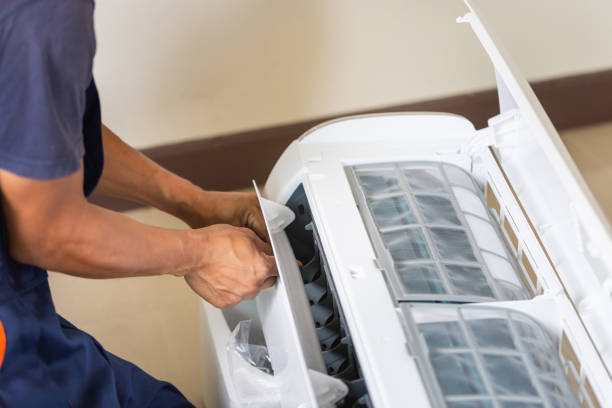
Frequently Asked Questions
1. Is it cheaper to get an AC repair near me or just replace the system?
It’s a classic dilemma, right? If your system is old and the repair is going to cost you, say, $800 or more, you’re often just delaying the inevitable. I usually tell people, “If the unit is pushing 12 years old and keeps breaking, put that repair money toward a new unit.” “It saves you from the cycle of constant, frustrating breakdowns.
2. How do I know if my AC unit is totally shot?
Aside from the obvious (it won’t turn on), watch for “system fatigue.” If it’s running non-stop but the house isn’t getting cooler, or if you smell something burning, it’s done. Also, if a tech tells you the compressor is failing, that’s usually the sign that it’s time to head to the store for a replacement.
3. Will a new unit really drop my power bill that much?
Honestly, yes. We see it all the time. Older units have low SEER ratings, meaning they’re just electricity hogs. Modern units are designed to run smarter, not harder. You’ll likely see a noticeable dip in your utility costs during the first few months of summer compared to what you paid with that old, tired unit.
4. How often should a guy like me get a tune-up?
Once a year is the sweet spot. I tell people to do it in the spring. You want a tech to come out, clean the coils, check the coolant, and make sure everything is tight. It’s like an oil change for your car—it keeps the big, expensive problems from happening when you need the AC most.
5. What should I be looking for in a local HVAC pro?
Don’t just pick the first guy you see on a billboard. Look for a team that’s actually based in Lebanon and has real, verified reviews. You want someone who explains the “why” behind the repair instead of just giving you a price. Good local companies care about their reputation because they have to see you at the grocery store.