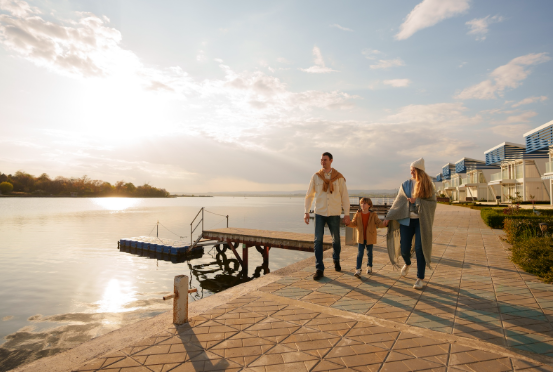
The waterfront spaces offer exceptional natural beauty and peaceful, practical uses. All waterfront access points, including private docks and marinas, and residential waterfronts, need to provide secure access that will last over time. The proper combination of planning, material selection, and installation methods will help keep waterfront areas safe, beautiful, and practical for many years.
This is why we bring a guide which explore how to improve access and durability in waterfront spaces:
1. Hiring a Composite Deck Builder
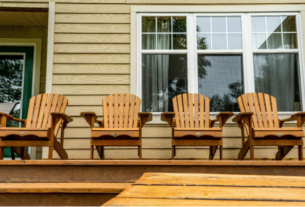
A composite deck builder can improve both access and durability in waterfront spaces. Composite decking materials are designed to resist moisture, rot, and insect damage. Those are common problems near water. Composite boards offer greater durability than traditional wood because they do not splinter and require less maintenance over their lifespan.
Professional composite deck builders create deck designs that handle high foot traffic and various weather conditions. An expert team ensures the installation process is done correctly and secures all elements to create safe pathways for people.
Composite decks provide better traction, reducing the risk of slipping in rainy weather. The product provides greater safety for all who use the waterfront space, including family members and frequent visitors.
2. Installing Boat Lifts
The boat lift system protects boats from damage while granting easier access to water destinations. Constant water exposure leads to the gradual deterioration of hulls, engines, and boat finishes. The boat lift system elevates vessels above the water, preventing operators from using their boats. They also reduce maintenance requirements and prevent algae growth while preventing metal deterioration.
The boat lift system enables users to board and exit boats more efficiently. This system maintains boat stability while positioning users correctly, benefiting families, elderly users, and people who need to transport their belongings. Properly installed boat lifts protect against damage during both rough sea conditions and unexpected changes in water level.
Selecting a suitable boat lift system requires assessing three factors: the boat’s dimensions, the water depth, and how often the boat will be used. Installing a system by trained professionals ensures safe operation, protects equipment, and extends its lifespan.
3. Choosing Durable Materials
The selection of building materials requires assessing their suitability for use in waterfront areas. Waterfront area requires materials that maintain their integrity throughout their use. Materials become weakened by exposure to saltwater and humidity, as well as by direct sunlight and strong winds. The building materials achieve durability and operational efficiency by selecting corrosion-free metal components and slip-resistant surface materials.
Installation process must include both drainage and ventilation systems as essential requirements. This system establishes an effective water management system that protects the building from potential structural damage. The building will maintain its structural integrity through scheduled inspections and prompt maintenance work.
4. Enhancing Safety and Long-Term Value
The combination of better access and increased durability results in safer environments, which boost property values. Stable walkways, secure railings, and robust lifting systems create safer conditions, improving the user experience. People find well-maintained waterfront spaces more attractive and useful, whether they want to use them personally or sell them.